Drowned by Design: The Lost Towns Sleeping Under America's Reservoirs

Photo by Photo by Zeynep S. on Unsplash on Unsplash
A Town With a Water Line
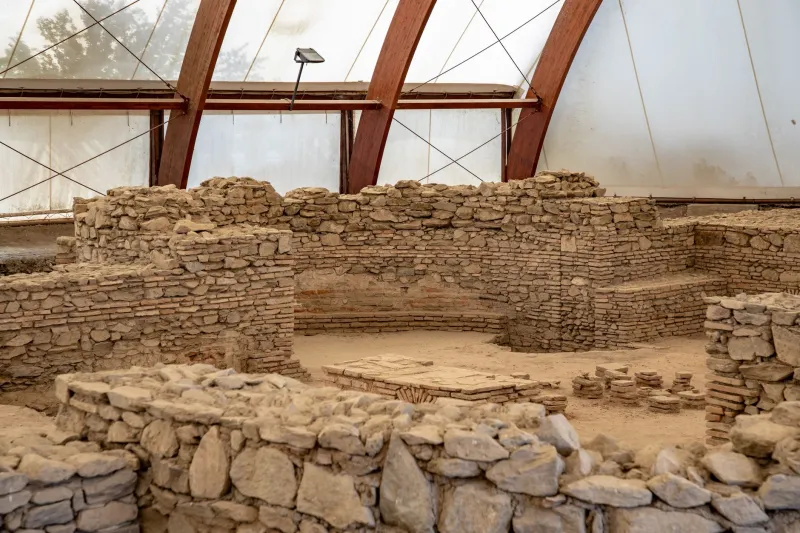
In the 1930s, residents of Loyston, Tennessee, watched federal crews map their town, photograph their church, and then inform them that the Norris Dam's reservoir would erase it all. The community relocated. The buildings stayed. Today, when drought drops the Clinch River pool, foundations and roadbeds surface like the bones of a whale — a reminder that much of America's archaeological record is not buried in soil, but suspended in water.
Across the country, dam projects of the twentieth century deliberately flooded hundreds of settlements. The Tennessee Valley Authority alone transformed entire valleys. In California, reservoirs swallowed mining towns and ranching communities. What was, for planners, a matter of engineering and eminent domain has become, for archaeologists, an accidental preservation environment — and a research frontier.
The Cold Storage Effect
Submergence is destructive, but selectively so. Waterlogged, low-oxygen conditions can preserve wood, textiles, and other organics that would rot on dry land. Deep reservoirs in the Southwest and Pacific Northwest hold structures that would have deteriorated long ago had they been left exposed.
The challenge is access. Divers working beneath reservoirs face limited visibility, fluctuating water levels, silt accumulation, and hazardous debris — fences, vehicles, and collapsed structures mixed into the ruins. Increasingly, however, remote sensing is doing the heavy lifting. Side-scan sonar and multibeam echo sounders can map drowned streetscapes in detail, while sub-bottom profilers reveal buried foundations without a single dive.
Recent surveys of reservoirs in the Southeast and West have documented everything from precontact Native American sites, inundated long before modern dam building, to the full footprints of agricultural towns: gristmill footings, cemeteries relocated — or not — before the floods, and orchard rows still visible on the old land surface.
What the Surveys Are Finding
The findings complicate simple narratives. In some valleys, the archaeology shows that the flooded communities were already changing — depopulated by economic shifts before the dams arrived. In others, the remains document lifeways, building traditions, and vernacular architecture that exist nowhere else. For descendant communities, these surveys often carry deep emotional weight: a drowned church steeple or family cemetery may be the most tangible link to a displaced past.
State underwater archaeology programs, notably in the Southeast, have begun systematically inventorying reservoir resources, often in partnership with the agencies that manage the water. The work is urgent. Shoreline erosion, looting by artifact collectors, and climate-driven drought cycles are among the forces threatening sites that have survived decades underwater.
Trading Heritage for Water and Power
The ethical ledger remains contested. The dams that drowned these towns delivered electrification, flood control, and drinking water to millions — genuine public goods. But the decision-making rarely weighed archaeological or community value as seriously as kilowatt-hours. Families were compensated for land, not for the erasure of place. Cemeteries were moved; some graves were missed.
Modern preservation law, including requirements to survey and document before federal projects, exists in part because of this history. Yet reservoirs created before those protections remain largely unmapped, and funding for underwater survey is thin compared to terrestrial archaeology.
Reading the Drowned Record
For Arch & Fire readers, the reservoir towns offer a distinctive lesson: the archaeological record is not only ancient, and it is not only on land. America's recent industrial past left submerged heritage of real research and commemorative value. As sonar technology becomes cheaper and droughts lower water levels with increasing frequency, the next decade may reveal more of these drowned landscapes than the last seventy years combined.
The towns beneath the reservoirs were sacrificed on purpose. Whether their remains are studied, protected, or forgotten is a choice still being made.