Arch & Fire Unearthing the Ancient World, One Discovery at a Time

Arch & Fire

Unearthing the Ancient World, One Discovery at a Time

Latest Articles

Thawing Ground, Vanishing Voices: The Race to Save Arctic Archaeological Sites Before They Disappear
Ethics & Cultural Heritage

Thawing Ground, Vanishing Voices: The Race to Save Arctic Archaeological Sites Before They Disappear

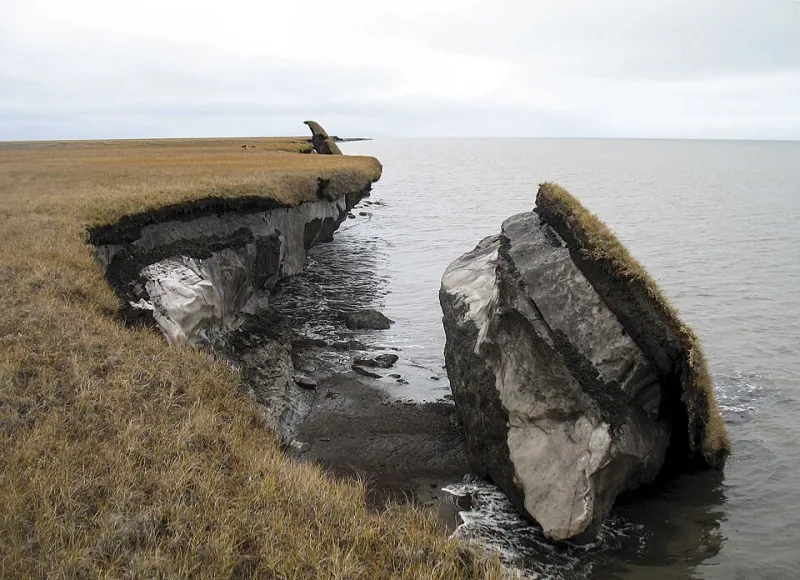
Across Alaska and Northern Canada, permafrost that has served as a natural deep-freeze for thousands of years is now surrendering its contents to warming temperatures — and not on archaeologists' terms. Ancient organic materials, structural remains, and cultural artifacts that survived intact for millennia are deteriorating within seasons of their exposure. What is being lost, and what does that loss mean for our understanding of human endurance in the harshest corners of the earth?

The Ground Beneath Our Feet: What Suburban Expansion Is Accidentally Revealing About America's Past
Ethics & Cultural Heritage

The Ground Beneath Our Feet: What Suburban Expansion Is Accidentally Revealing About America's Past

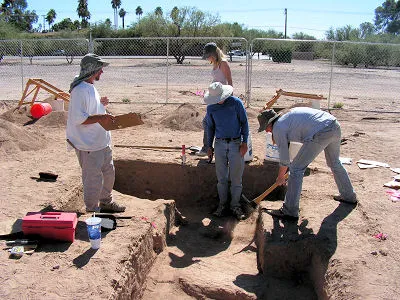
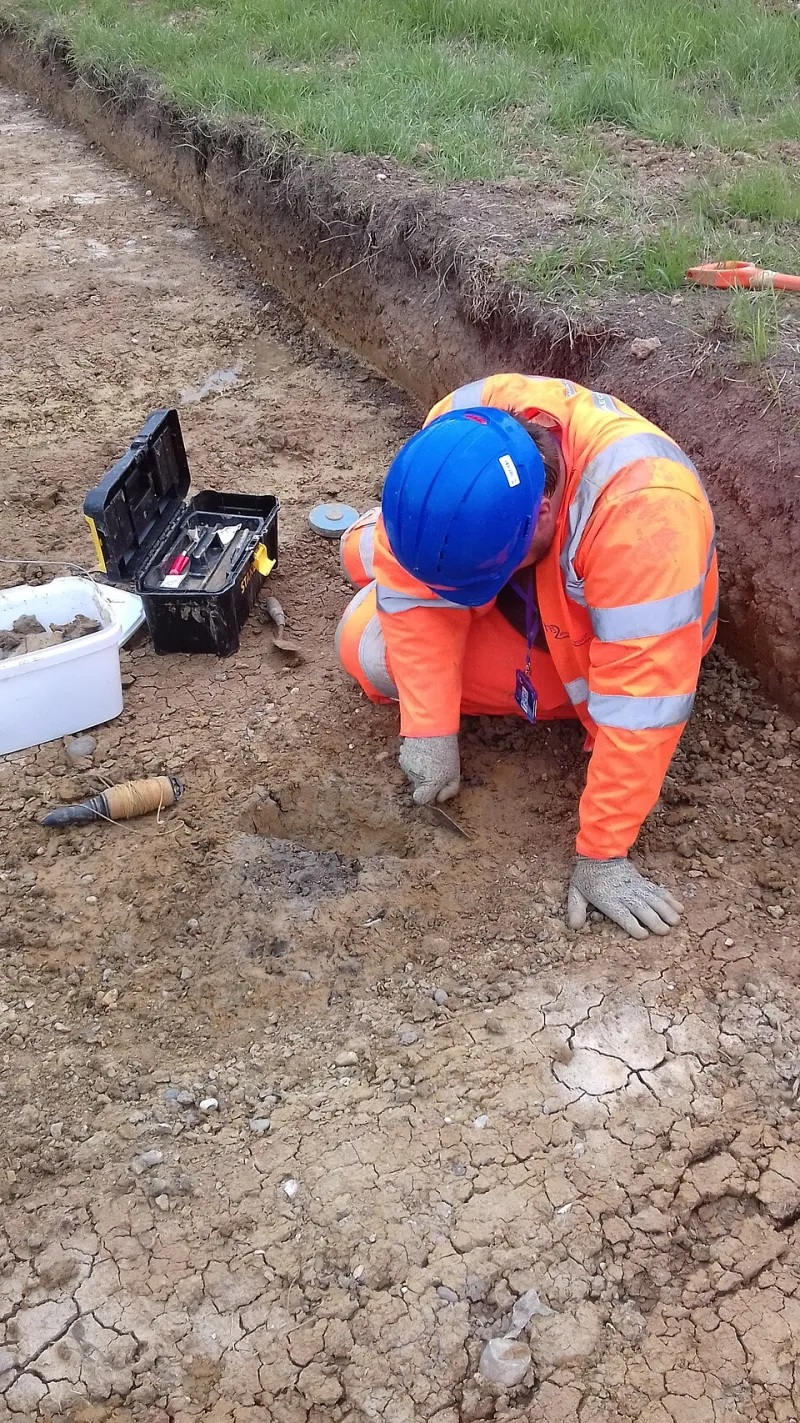
Every year, excavators break ground on housing developments and infrastructure projects across the United States, and with startling frequency, they uncover something far older than the blueprints anticipated. From Iroquois longhouse remnants in upstate New York to Spanish colonial refuse pits in Florida, America's suburban frontier is proving to be an unintentional archaeological excavation — one operating without a field director, a preservation plan, or adequate time to think.

Reading the Earth: How Stratigraphy Is Forcing Archaeologists to Rethink the First Americans
Technology & Discovery

Reading the Earth: How Stratigraphy Is Forcing Archaeologists to Rethink the First Americans

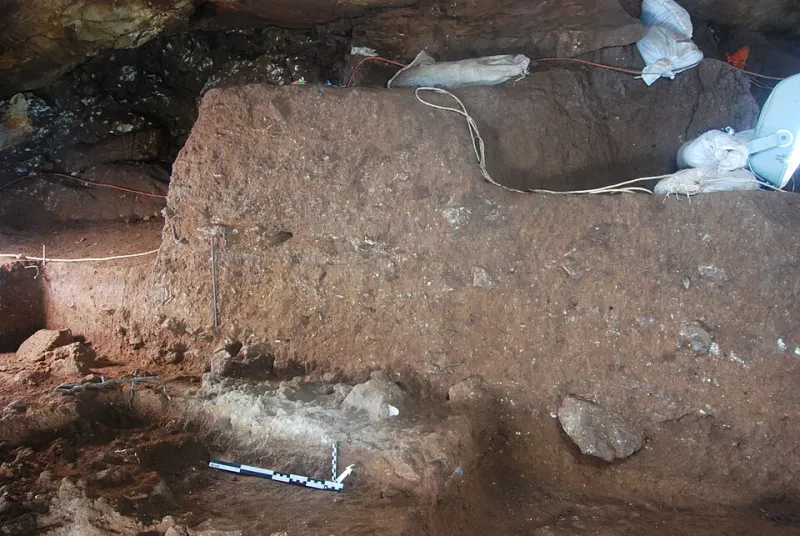
Beneath the surface of North America lie compressed centuries of sediment, pollen, and geological evidence that are quietly dismantling long-held assumptions about when humans first arrived on the continent. Geoarchaeologists are now deploying increasingly sophisticated analytical tools to decode these buried records, and the findings are proving difficult to ignore. The story of the first Americans, it turns out, may be far older and far more complex than the textbooks suggest.

Amateurs at the Trench: The Promise and Peril of Public Participation in Archaeological Discovery
Ethics & Cultural Heritage

Amateurs at the Trench: The Promise and Peril of Public Participation in Archaeological Discovery

Across the United States and beyond, non-professional enthusiasts are turning up artifacts that professional archaeologists never anticipated finding — and in doing so, they are both enriching and complicating the discipline. The rise of community-driven discovery raises urgent questions about ownership, methodology, and the responsibilities that come with unearthing the past. Where the excitement of public engagement meets the rigorous demands of academic research, the conversation is only begi

When the Stones Are Gone: The Promise and the Problem of Rebuilding Heritage in Digital Space
Ethics & Cultural Heritage

When the Stones Are Gone: The Promise and the Problem of Rebuilding Heritage in Digital Space

As war, looting, and unchecked development erase irreplaceable archaeological sites across the globe, a growing movement of technologists and heritage professionals are turning to 3D modeling and virtual reality to preserve what physical preservation can no longer protect. But the digital archive raises profound questions about authenticity, access, and whose version of the past ultimately survives.

What Charcoal Remembers: The Science Rewriting North America's Fire History
Technology & Discovery

What Charcoal Remembers: The Science Rewriting North America's Fire History

Buried beneath the soil of archaeological sites across North America, fragments of ancient charcoal are telling a story that written records never could. Through the discipline of anthracology, researchers are dismantling long-held assumptions about wilderness, climate, and the sophisticated land stewardship practiced by Indigenous peoples for millennia.

Fired in Clay, Written in Trade: How Ceramic Fragments Are Redrawing the Map of Pre-Columbian America
Technology & Discovery

Fired in Clay, Written in Trade: How Ceramic Fragments Are Redrawing the Map of Pre-Columbian America

For decades, scholars assumed that many pre-Columbian societies in North America developed largely in isolation. Now, a wave of ceramic analysis and isotopic dating is dismantling that assumption, revealing sprawling trade networks that connected communities separated by hundreds of miles.

The Right to Rest: When Indigenous Communities Choose the Earth Over the Archive
Ethics & Cultural Heritage

The Right to Rest: When Indigenous Communities Choose the Earth Over the Archive

Across the United States, a quiet but consequential movement is unfolding: tribal nations are reclaiming the remains of their ancestors from museum collections and returning them to the ground. The practice raises urgent questions about the limits of scientific authority, the meaning of dignity, and who ultimately has the right to decide what happens to the dead.

Ash and Ink: The Slow Erasure of the Ancient World's Greatest Repositories of Knowledge
Ethics & Cultural Heritage

Ash and Ink: The Slow Erasure of the Ancient World's Greatest Repositories of Knowledge

The ancient world produced libraries of astonishing scope — repositories that held the accumulated learning of entire civilizations, from Assyrian clay tablets to papyrus scrolls catalogued by Greek scholars. Most of that knowledge is gone, destroyed by conquest, neglect, and the indifference of centuries. Yet archaeologists, conservators, and digital humanists are now working to recover what fragments remain, raising urgent questions about what we have irretrievably lost and what our own instit

Embers of Intelligence: What Ancient Hearths Reveal About the Minds That Built Them
Technology & Discovery

Embers of Intelligence: What Ancient Hearths Reveal About the Minds That Built Them

Long before the written word or the wheel, fire reshaped the trajectory of human existence in ways archaeologists are only beginning to fully appreciate. New excavations across Africa and Eurasia are forcing researchers to reconsider not just when our ancestors first controlled flame, but what that mastery meant for the development of language, cooperation, and abstract thought. The evidence buried in ancient hearths may be the most compelling record of cognitive evolution we possess.

Seeing Through the Canopy: How Laser Mapping Is Exposing Lost Civilizations Across the Americas
Technology & Discovery

Seeing Through the Canopy: How Laser Mapping Is Exposing Lost Civilizations Across the Americas

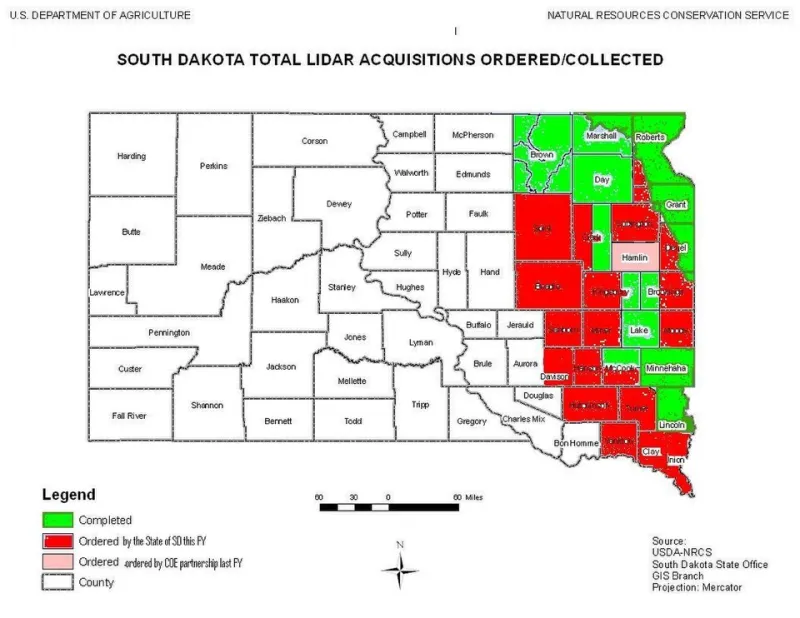
Beneath the dense jungle canopies of Central and South America, entire cities have waited in silence for centuries. LiDAR technology is now stripping away that green veil, forcing archaeologists to fundamentally reconsider the scale and sophistication of Pre-Columbian civilization. What these laser-mapped landscapes reveal is nothing short of extraordinary.

The Long Road Home: America's Museums Are Returning Stolen Antiquities — But Is It Enough?
Ethics & Cultural Heritage

The Long Road Home: America's Museums Are Returning Stolen Antiquities — But Is It Enough?

From the halls of the Metropolitan Museum of Art to the galleries of the Getty, American institutions are quietly — and sometimes reluctantly — dismantling collections built on the spoils of colonial-era plunder. Repatriation is no longer a fringe demand; it is a defining ethical challenge of our time. Whether museums are rising to meet it is a far more complicated question.